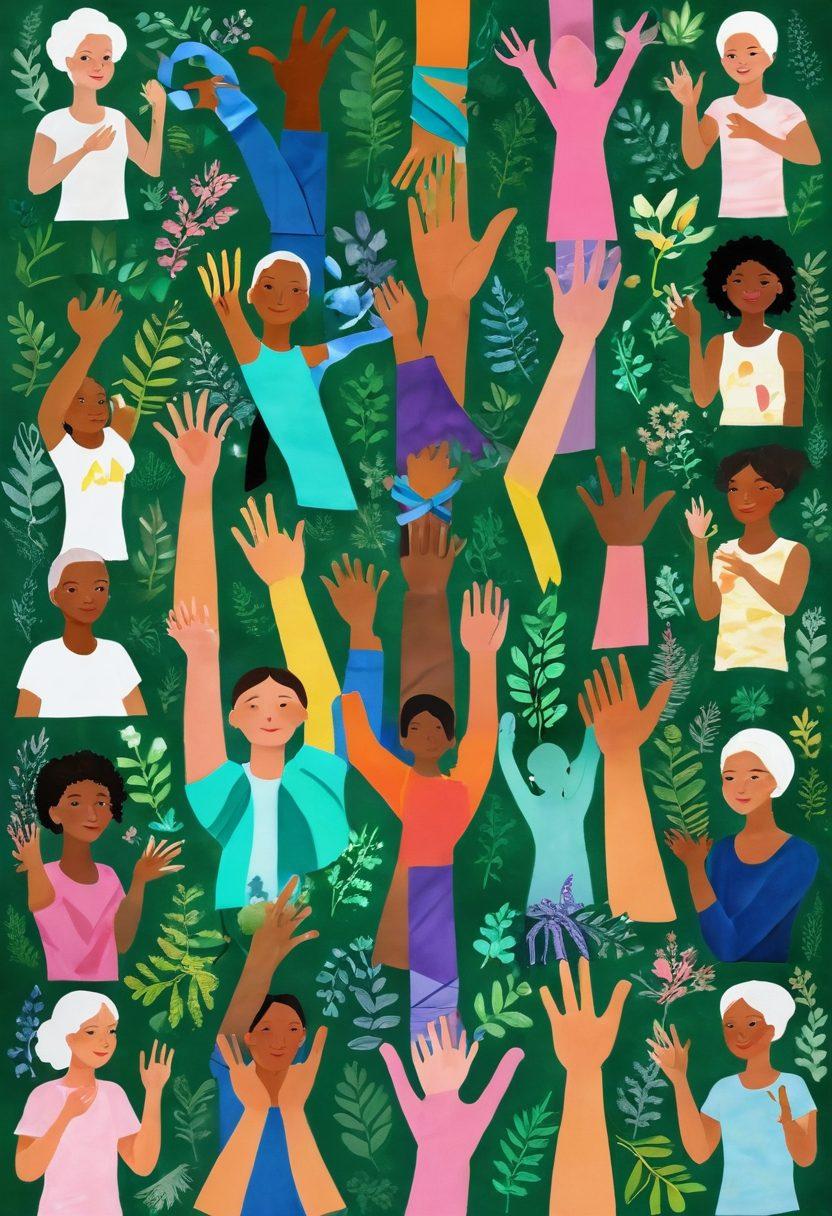
Empowering Survivorship: The Intersection of Oncology, Wellness, and Support in Cancer Care
Navigating cancer care is much like charting a course through an unfamiliar landscape. The multifaceted journey is filled with twists and turns, challenges, and unexpected milestones. For many, the diagnosis of cancer can feel overwhelming, invoking feelings of fear and uncertainty. However, as we delve deeper into the realm of oncology and holistic wellness, we can discover pathways that not only treat the disease but also nurture the spirit. The intersection of cutting-edge cancer treatment and holistic health practices offers hope and empowerment for the patient and their loved ones. Can we truly bridge the gap between rigorous medical protocols and the nurturing aspects of wellness?
At the heart of cancer care lies the diligent work of oncologists, whose expertise is paramount in the fight against cancer. However, what sets apart the best practices in oncology is when these professionals embrace integrative oncology. This approach merges traditional cancer treatment with complementary therapies, recognizing the significance of cancer wellness. Imagine your oncologist not only focusing on the tumor but also on your mental and emotional well-being. This holistic approach invites patients to partake in their recovery actively. How might your experience change if your oncologist included discussions of lifestyle changes, nutrition, and mental health resources in your care plan?
Moreover, the landscape of cancer treatment is continually evolving, thanks to groundbreaking cancer research and medical advances. Patients are no longer passive recipients of treatments but empowered individuals navigating their journeys with greater awareness and understanding of their conditions. With the advent of clinical trials, options for innovative therapies are broadening. For those diagnosed with cancer, a profound question arises: 'What role can I play in my healing process?' Taking control through cancer support communities, educational resources on cancer symptoms, and preventative care strategies is essential. The experience of survivorship is about more than just surviving; it's about thriving.
Storytelling can play a vital role in patient support as these narratives inspire resilience and courage among those who traverse the cancer journey. Often, survivors recount moments when their perspective shifted from focusing solely on treatment to embracing a mindset centered on wellness. Perhaps it was a yoga class that reignited their spirit, or a support group that offered a safe harbor. Every small victory in the face of adversity contributes to a bigger story of healing—a reminder that cancer wellness can co-exist alongside traditional oncology practices. So, how can you integrate these rich stories into your support system to inspire hope within yourself and those you care about?
In conclusion, navigating cancer care is not an isolated journey but a collective effort that demands collaboration among oncologists, patients, and wellness practitioners. Emphasizing holistic health not only improves the quality of life but also fosters a community of support and shared experiences. Let us continuously spread cancer awareness while advocating for trusted patient support networks and accessible wellness resources. Here’s a thought to ponder: what if every cancer center integrated both the art and science of healing? Together, we can forge a bridge between oncology and holistic wellness, ultimately empowering survivors to reclaim their lives with resilience and hope.
From Diagnosis to Thriving: Stories of Survivorship and Support
The journey from diagnosis to thriving as a cancer survivor is profound, filled with challenges, triumphs, and invaluable lessons. It’s a journey that encapsulates the true essence of resilience against cancer, where oncologists, healthcare teams, and support systems collectively play vital roles. How do individuals turn the tide from being mere patients to empowered survivors? And what can the healthcare community learn from their stories? In this blog, we will dive deep into inspiring stories of survivorship and support, paving the way for hope and healing.
Imagine walking into your oncologist's office, heart racing, mind racing, fear settling in. A diagnosis has just turned your world upside down. You are suddenly confronted with cancer symptoms, treatment plans, and endless questions. But amid this chaos, there is also a flicker of light—stories of those who have walked this path before you. Survivors who have faced the unthinkable, battled their disease, and emerged not just alive, but thriving. Their experiences in navigating cancer treatment can provide vital insights into what it means to truly empower oneself.
"Survivorship is not just about surviving; it’s about thriving," once said a prominent figure in cancer research. This profound statement echoes through the lives of many cancer survivors. Each survivor has their own narrative, filled with unique challenges—from integrating lifestyle changes and understanding the nuances of clinical trials to engaging with preventative care strategies. These personal stories reveal how the intersection of oncology and holistic health forms a powerful alliance in the road to recovery, shining a light on the importance of cancer wellness both during and after treatment.
A significant element of survivorship is recognizing the value of patient support. Whether it’s through cancer support groups or one-on-one sessions with wellness coaches, the strength of community cannot be overstated. Survivors often attribute their healing journey to the love and encouragement of those around them. They found solace in sharing experiences, shedding light on their fears, and celebrating their victories together. For those newly diagnosed, consider reaching out. Find your tribe—your shared conversations can be a source of immense comfort and strength.
As we reflect on these stories of survivorship, let's not forget the medical advances that play a role in fostering hope. The remarkable progress in cancer research and treatment options offers a newfound promise to patients. Integrative oncology blends traditional cancer treatment with holistic practices, enhancing well-being on multiple levels. It's essential to stay informed about these advances—after all, knowledge is power in the quest for health and wellness. So, what steps can you take to begin your own journey toward thriving? Let these stories inspire actionable lifestyle changes and ignite your passion for cancer awareness.
Innovations in Cancer Treatment: The Role of Integrative Approaches and Patient Empowerment
In the ever-evolving landscape of cancer treatment, we stand at the crossroads of medical advances and holistic health, where the potential for healing seems limitless. Innovations in cancer treatment have transformed lives through new therapies, powerful drugs, and groundbreaking clinical trials. Yet, as we unravel the complexities of cancer, we also recognize a vital element—empowering the patient. It’s a narrative that intertwines with oncology practices, patient support systems, and a growing awareness of the importance of wellness in cancer care. How can we integrate these facets to create a more comprehensive approach to survivorship?
Imagine a patient sitting in an oncologist's office, grappling with the weight of a recent diagnosis. In that moment, it's crucial to not just focus on the treatment protocols but to foster an environment where patient empowerment flourishes. Integrative approaches to cancer care advocate for patient involvement in their wellness journey, emphasizing the need for lifestyle changes that complement traditional therapies. As one survivor poignantly stated, 'I learned that I am more than my diagnosis; I am an active participant in my healing.' So, how do we create a roadmap for survivors that balances medical treatment with personal agency?
The advent of integrative oncology has brought about innovative therapies that include not just chemotherapy or radiation but also mindfulness, nutrition, and physical activity—all pivotal components of cancer wellness. These approaches encourage patients to embrace their whole self, which can lead to improved cancer symptoms and overall well-being during and after treatment. With a focus on cancer prevention and well-being, the question becomes: How can we effectively implement these holistic strategies into everyday practices?
Consider the recent cancer research that shows patients who engage in preventative care and seek out holistic solutions alongside conventional treatment report better quality of life outcomes. As a health blog might highlight, today’s cancer warriors are not passive recipients of treatment; they possess an arsenal of tools that empower them to navigate their journey. What if we reimagined the role of the oncologist as not just a provider of treatments but as a guide on this wellness journey?
As we delve into the future of cancer care, the dialogue around cancer awareness and survivorship continues to flourish, emphasizing the need for actionable and relatable strategies for patients. Whether through community support groups, lifestyle adjustments, or engaging in discussions about medical advances, individuals must feel equipped to tackle their cancer disease head-on. The integration of wellness in oncology is not merely a subtext; it is a crucial chapter in the story of survivorship. So, let's champion a movement where each cancer survivor can rise empowered, embodying resilience and hope in the face of adversity.